Floral Ornament Design: A Real-World Embroidery Review
When I first opened the Floral Ornament Design, my immediate thought wasn't about the vector quality or how easily it could be resized. As someone who spends hours troubleshooting stitch errors and worrying about fabric puckering, my first instinct was to visualize the finished product on a physical item. Does this design have enough personality to stand out in a crowded Etsy shop? Will it hold up after a few washes? Can it translate from a screen into a tactile, high-quality embroidery piece that makes a customer smile?
The short answer is yes, but with specific caveats that every serious embroiderer needs to know before hitting the start button on their machine. This review breaks down exactly how Floral Ornament Design performs when moved from the digital realm into real-world applications like custom apparel, boutique gifts, and handmade merchandise.
First Impressions: Mood and Visual Personality
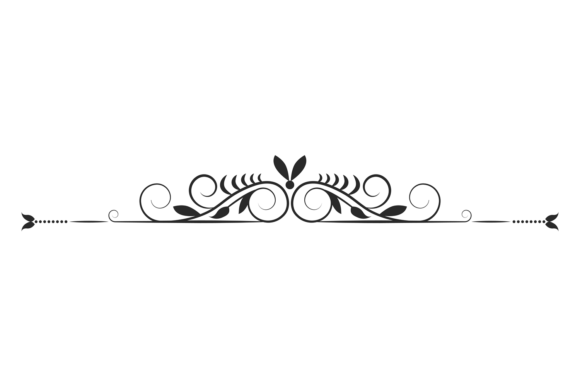
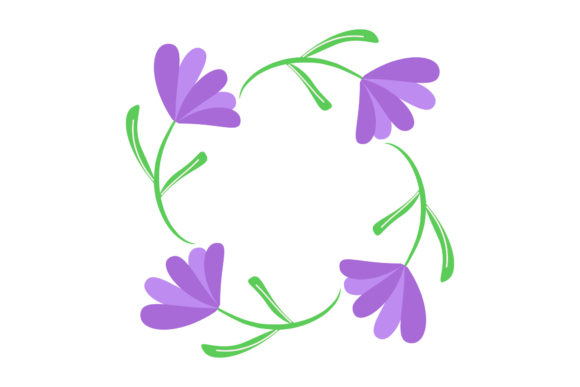
The moment you load the file, the Floral Ornament Design exudes a sense of classic elegance mixed with modern versatility. It isn't just a random collection of petals; it has a structured layout that suggests balance and symmetry. For an embroidery designer, this structural integrity is crucial. It means the design is likely to maintain its shape even when compressed onto smaller hoops or stitched onto curved surfaces like caps.
The visual personality feels approachable yet refined. It strikes a perfect middle ground between a delicate botanical sketch and a bold graphic statement. This makes it incredibly versatile for various project types. Whether you are creating a whimsical baby onesie, a sophisticated bridal tote bag, or a rustic kitchen towel for a holiday gift, this design fits naturally without feeling forced. It creates a mood of warmth and care, which is exactly what buyers look for when purchasing handmade products.
Real-Life Scenario: The Custom Tote Bag Project
To truly understand the potential of Floral Ornament Design, let's imagine a practical scenario. You are preparing for a local craft fair and need a standout product for your booth. You decide to create a set of canvas tote bags featuring your signature branding. You choose this design because it looks great as a logo, but can it work as a larger decorative element?
As you test the design on scrap canvas, the details become clear. The lines are clean, and the spacing allows for good thread coverage. When stitched, the Floral Ornament Design doesn't overwhelm the canvas; instead, it anchors the bag beautifully. Customers walking by the booth stop to touch the texture. They appreciate the depth created by the satin stitches and the softness of the fill areas. Because the design is vector-based, you can scale it up to cover the entire front of the bag or shrink it down for a small pocket accent. This flexibility is a game-changer for small business owners trying to maximize a single design asset across multiple product lines.
Performance Across Different Fabrics and Projects
While the design shines on sturdy materials, its performance varies depending on the substrate. Here is how Floral Ornament Design handles different common embroidery scenarios:
- Custom Apparel and Sweatshirts: On fleece or heavy cotton blends, the design holds its shape well. However, on stretchy t-shirts, you must ensure proper stabilizer usage to prevent distortion. The ornamental nature of the design works best when centered on the chest or back, acting as a focal point rather than a background pattern.
- Baby Items and Nursery Decor: The gentle curves and floral theme make this ideal for baby blankets, bibs, and nursery wall hangings. The lack of overly sharp angles ensures safety and comfort against sensitive skin. It adds a professional touch to personalized gifts that parents cherish.
- Holiday Gifts and Kitchen Towels: For tea towels or aprons, the design adds a festive or cozy element. It pairs perfectly with seasonal themes, such as spring blooms or autumn leaves, making it a smart choice for holiday collections.
- Embroidered Patches and Caps: If you plan to turn this into a patch, the defined edges are helpful. Just be mindful of the backing material used for stability. On caps, the curvature requires careful hooping to avoid shifting, but the design's symmetry helps maintain alignment.
Where to Proceed with Caution
Even a high-quality design like Floral Ornament Design has limitations. It is not a one-size-fits-all solution for every surface. There are specific situations where you should exercise extra caution to ensure a professional finish.
Small Hoop Sizes: If you attempt to stitch this on a very small hoop, some of the finer details might get lost or merge together. Always check the minimum size requirements before committing to a tiny accessory. If the detail is too fine, the threads may crowd each other, leading to a muddy appearance.
Textured and Stretchy Fabrics: While sturdy fabrics are ideal, textured materials like bouclé or highly stretchy knits can cause issues. Without adequate stabilizer, the fabric may pucker around the dense stitch areas. Thin fabrics require a tear-away or cut-away stabilizer to support the weight of the thread.
Dense Stitch Areas: If the design contains large blocks of fill stitch, be aware that thick layers of thread can make the fabric stiff. This might be undesirable for items that need to drape softly, like a lightweight scarf or a fitted garment. In these cases, consider adjusting the stitch density if your software allows.
Detailed Corners and Tiny Lettering: Although this design focuses on ornaments, if you add text nearby, ensure the font is legible. Very small lettering next to intricate floral details can sometimes compete for attention, reducing the overall clarity of the piece.
Impact on Product Value and Brand Consistency
In the world of handmade goods and commercial embroidery, presentation is everything. Using a polished design like Floral Ornament Design directly influences customer trust and perceived value. A crisp, well-executed embroidery job signals professionalism. It tells the buyer that you care about the details and that the product is worth the price tag.
For Etsy sellers and small shop owners, consistency is key. This design offers a cohesive look that can be applied across different items—tote bags, patches, and pillow covers—creating a recognizable brand identity. When customers see the same elegant motif on your social media mockups and receive a high-quality physical product, they are more likely to return for future purchases. The design enhances the "giftability" of your items, making them feel special and thoughtful.
Practical Notes for the Designer
Before you start mass-producing items with Floral Ornament Design, there are several technical steps you should take to guarantee success. These practices separate hobbyists from professionals.
- Test on Scrap Fabric: Never skip this step. Stitch the design on a scrap of the actual fabric you intend to use. This reveals how the thread interacts with the material and highlights any potential puckering or tension issues.
- Check Thread Color Contrast: Ensure the chosen thread colors pop against the background fabric. Dark threads on dark fabric or light threads on light fabric can make the design disappear.
- Review Stitch Density: Look at the stitch count and density settings. If the design is too dense for the fabric type, it may cause needle deflection or fabric damage.
- Confirm Hoop Size: Verify that your hoop can accommodate the full design dimensions without cutting off any elements. Adjust the placement if necessary.
- Inspect Small Details: Zoom in on the digital file and inspect the tiny corners and thin lines. Ensure they are robust enough to survive the stitching process.
- Use Proper Stabilizer: Select the right stabilizer (tear-away, cut-away, or water-soluble) based on the fabric weight and the intended use of the final product.
- Check Licensing: Before selling finished items or digital products, confirm the licensing terms. Some designs allow for commercial use on a limited number of items, while others require a broader license.
By following these guidelines, you can unlock the full potential of Floral Ornament Design. It is a powerful tool for creative entrepreneurs looking to elevate their craft business. With the right preparation and execution, this design can transform simple materials into cherished keepsakes that reflect both skill and style.