Circle Floral Design Beauty Review for Real Embroidery
As a designer who has spent years turning digital files into tangible, stitched masterpieces, I approach every new download with a mix of excitement and skepticism. You never know if a design will translate well from the screen to the fabric until you actually run it through the machine. Recently, I evaluated Circle Floral Design Beauty, a vector graphic marketed as suitable for logos, illustrations, animations, and t-shirt designs. My goal was to determine if this asset holds up under the scrutiny of real-world embroidery projects, specifically for those of us running small businesses or creating personalized gifts.
The First Impression: Mood and Layout
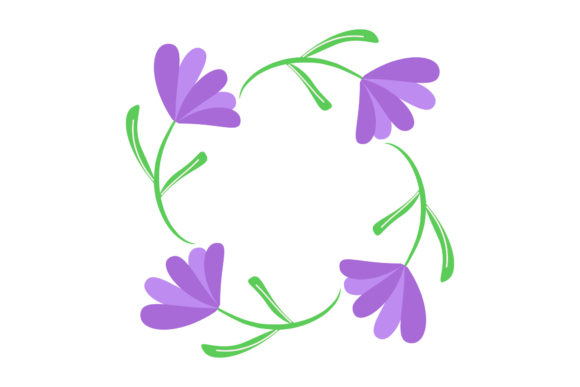
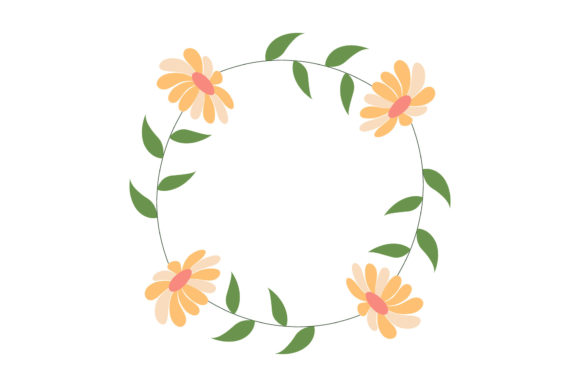
When I first opened the file, the immediate vibe of Circle Floral Design Beauty was one of classic elegance mixed with modern simplicity. The circular composition is inherently stable; it draws the eye inward without feeling cramped. For an embroidery project, the layout feels particularly promising because circles tend to frame themselves well on curved surfaces like caps or centered on flat items like tote bags. The floral theme suggests softness and growth, making it a natural fit for nursery decor, baby clothes, or boutique branding. It does not scream "trendy" in a way that will date quickly, but rather offers a timeless aesthetic that customers often seek for heirloom-quality pieces.
The vector nature of the file is its strongest selling point. As a reviewer, I love that the design is openable and editable. This means I can resize the circle to fit a specific hoop size without worrying about pixelation or losing detail. Whether I am scaling it down for a baby onesie or blowing it up for a large sweatshirt, the lines remain crisp. However, the initial visual personality tells me this design belongs best in categories where softness and organic shapes are desired, rather than in rigid, corporate branding contexts.
Putting It to the Test: A Real-World Scenario
To truly understand how Circle Floral Design Beauty performs, I decided to simulate a practical workflow. I envisioned a custom embroidered tote bag for a local craft fair—a staple item for any Etsy seller or small shop owner. The challenge here is balancing the design's detail with the durability required for a product that will be carried daily.
I started by imagining the stitching process. The circular border would likely require a strong satin stitch to define the edge clearly against the canvas fabric. Inside the circle, the floral elements would need careful consideration regarding fill stitches. If the design is too dense, it might pucker the fabric, ruining the professional look of the finished product. Conversely, if the stitch density is too low, the details could get lost on the textured surface of a heavy-duty tote. The vector format allows me to adjust these parameters before stitching, ensuring the final result looks polished.
I also considered how this design would appear on a holiday gift. Imagine a set of kitchen towels embroidered with this motif. The circular shape frames the flowers beautifully, acting as a focal point that elevates a simple utility item into a decorative piece. Customers browsing a handmade shop appreciate when a design feels intentional and cohesive. Circle Floral Design Beauty provides that sense of structure, making the final product feel more expensive and thoughtfully designed than a random scatter of flowers.
Where Caution Is Required
While the design has potential, there are specific scenarios where Circle Floral Design Beauty requires extra attention. Small hoop sizes present a significant challenge. If you attempt to stitch this on a very small area, such as a cap brim or a tiny pocket, the circular elements might become indistinguishable blobs. The fine details within the floral pattern could disappear entirely, leaving only a vague outline. In these cases, I advise reducing the scale or simplifying the design elements manually before sending them to the machine.
Fabric choice is another critical factor. Stretchy fabrics, like those used for fitted t-shirts or athletic wear, can distort circular designs. Without proper stabilizer, the tension of the thread pulling on the fabric can cause the circle to warp or the stitches to bunch. Similarly, dark fabrics can make lighter thread colors vanish. While the vector file allows for color changes, the contrast between the thread and the background must be high enough to ensure the design remains visible after washing. Textured fabrics, such as thick fleece or heavy denim, can also hide intricate details, so testing on scrap material is non-negotiable.
I also recommend avoiding this design for products that require frequent, aggressive washing unless the stitch density is increased significantly. Decorative accents on aprons or pillow covers are generally safe, but items like workwear or children's clothing that undergo constant laundering need robust construction to prevent the design from fraying or fading over time.
Impact on Visual Appeal and Brand Value
The quality of your embroidery directly influences customer trust and perceived value. A clean, well-executed Circle Floral Design Beauty signals professionalism. When a buyer sees a perfectly aligned circle with clear, distinct floral stitches, they assume the rest of the business operates with similar care. This is crucial for commercial embroidery projects where brand consistency matters. On the other hand, a poorly executed design can make even a high-quality product feel cheap.
This design asset also enhances the "giftability" of a product. People often buy embroidered items as presents because they feel personal and thoughtful. The circular motif acts as a perfect frame for names or dates, which can be added easily due to the editable nature of the vector file. For a digital product seller offering printable mockups, this design serves as a versatile template that can be showcased across various backgrounds, helping potential buyers visualize the final result.
Practical Designer Notes for Success
If you plan to use Circle Floral Design Beauty in your next embroidery project, follow these steps to ensure success:
- Test on Scrap Fabric: Never start on your final product. Run a test stitch on a scrap piece of the same fabric type to check for puckering, thread breaks, or distortion.
- Check Thread Color Contrast: Ensure the chosen thread colors stand out against the background fabric. Light threads on dark fabric often require multiple passes or a different shade to achieve full coverage.
- Review Stitch Density: Examine the fill areas closely. If the design looks too crowded, consider adjusting the density settings in your software to allow the fabric texture to show through slightly.
- Confirm Hoop Size: Make sure the design fits comfortably within your intended hoop size, leaving enough margin for the machine to move without cutting corners off the circle.
- Inspect Small Details: Zoom in on the smallest elements of the floral pattern. If they are too fine, they may not stitch cleanly and could result in a messy appearance.
- Use Proper Stabilizer: Select a stabilizer that matches the weight and stretch of your fabric. Heavy-duty stabilizers are often needed for cotton blends, while tear-away works well for stable wovens.
- Verify Licensing: Before selling finished items or digital products, confirm the license terms associated with the vector file to ensure you have the right to use it commercially.
In conclusion, Circle Floral Design Beauty is a versatile and visually appealing asset that can elevate a wide range of embroidery projects. From custom apparel to boutique merchandise, it offers a solid foundation for creating professional-looking goods. By paying attention to fabric selection, stitch density, and proper stabilization, you can transform this vector graphic into a stunning finished product that delights customers and strengthens your brand reputation.