Rose Floral Foliage Wedding Invitation Review
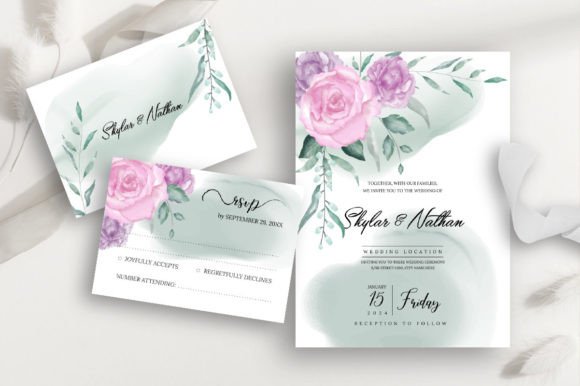
As someone who has spent years stitching designs for high-end boutiques and small Etsy shops, I have learned that a pretty image on a screen does not always translate to a beautiful finished product. When I first encountered the Rose Floral Foliage Wedding Invitation, my initial reaction was one of genuine excitement. The watercolor aesthetic with its dusty rose petals and soft greenery leaves immediately suggests a romantic, organic vibe that is perfect for modern weddings. However, before I commit this design to a client's custom apparel or a boutique tote bag, I need to look past the visual appeal and understand how it will behave under the needle.
This review focuses on the practical reality of using the Rose Floral Foliage Wedding Invitation as a machine embroidery design. We are moving beyond the concept of it being just an illustration or graphic file to treating it as a functional asset for a craft business. Whether you are a seasoned designer or a hobbyist maker, knowing how these specific floral elements stitch up is crucial for maintaining your reputation and ensuring customer satisfaction.
The First Stitch: Visual Personality and Mood
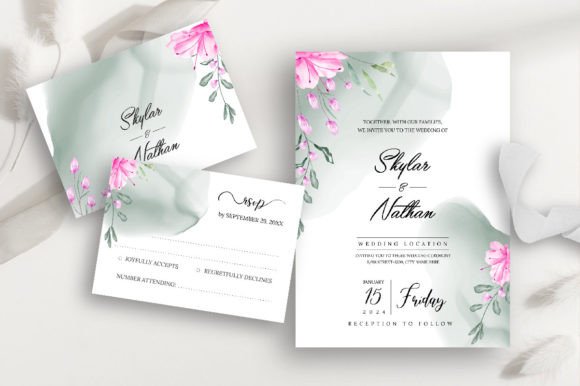
The Rose Floral Foliage Wedding Invitation brings a distinct mood to any project. Unlike rigid geometric patterns, the watercolor style implies softness and fluidity. The dusty rose color palette is currently trending in wedding stationery and nursery decor, making it a safe yet stylish choice for seasonal collections. In terms of layout, the foliage elements create a natural frame, which works exceptionally well for branding tags, pocket embroidery on aprons, or centered motifs on sweatshirts.
When evaluating this as a potential embroidery project, the key is the balance between the delicate lines of the watercolor effect and the density required for thread coverage. The design feels like it belongs in contexts where elegance is paramount. It naturally fits into categories like personalized gifts, wedding favors, or boutique branding where the tactile quality of the thread adds value to the physical item. If you are looking to elevate a simple tote bag design or a plain sweatshirt embroidery job, this design provides the necessary sophistication without overwhelming the garment.
Real-World Application: From Screen to Stitch
Let me walk you through a real-life scenario I recently considered for a client. Imagine a small shop owner preparing for the holiday season who wants to launch a line of custom embroidered kitchen towels. They choose the Rose Floral Foliage Wedding Invitation because it evokes a cozy, rustic-chic feeling. The design features intricate leaf details and soft petal shapes. On paper, it looks stunning. But in the hoop, things get tricky.
For a kitchen towel, the fabric texture is usually a tight weave cotton, which holds stitches well. However, the watercolor style often relies on gradients that are simulated in vector files. When converting this digital embroidery file for stitching, the software must interpret those soft edges into satin stitches or fill stitches. If the stitch density is too high, the fabric might pucker, ruining the elegant drape of the towel. If the density is too low, the "watercolor" look might appear patchy rather than blended.
I also considered using this design for a custom apparel piece, specifically a baby onesie. The Rose Floral Foliage Wedding Invitation is gentle enough for a nursery theme, but the fine details of the leaves could be lost if the hoop size is too large relative to the garment curve. For a baby embroidery project, comfort is king. You do not want a stiff, dense patch of thread on a baby's skin. This design would require careful editing to ensure the back side is clean and the front side is soft to the touch.
Another strong use case is the embroidered patch. If a crafter decides to turn this floral motif into a detachable badge for a denim jacket or a backpack, the definition of the foliage becomes critical. Patches need clear outlines to prevent fraying at the edges. The Rose Floral Foliage Wedding Invitation offers a nice opportunity here, provided the edge stabilization is handled correctly during digitizing.
Where Caution Is Required
While the design is versatile, there are specific scenarios where I would advise proceeding with caution. Small hoop sizes present a significant challenge for this particular artwork. The embroidery file contains fine details in the leaves and petals. If you attempt to stitch this in a very small area, such as on a cap brim or a narrow cuff, the machine may struggle to resolve the tiny curves. The result can be a muddy mess where individual threads merge, losing the delicate character of the original graphics.
Textured fabrics are another pitfall. Materials like chunky knits, heavy wool, or rough burlap can distort the precision of the machine embroidery design. The needles might push the fabric unevenly, causing the floral pattern to shift. Similarly, stretchy fabrics like jersey or spandex require specialized stabilizers. Without proper support, the tension from the stitch density can cause the fabric to gather, turning a beautiful handmade product into a misshapen garment.
Dark fabrics also demand attention. The watercolor aesthetic relies on light, airy colors like dusty rose and sage. If you stitch this directly onto a black or navy background without a substantial underlay or cover-up stitch, the colors may appear dull or muddy. You might need to adjust the thread colors or add a white backing layer to make the design pop, which changes the final look of the finished product.
Impact on Brand Value and Customer Trust
In the world of Etsy sellers and small shop products, the quality of the embroidery speaks volumes about your brand. A poorly executed embroidery project can lead to returns and negative reviews, while a flawlessly stitched item builds trust. The Rose Floral Foliage Wedding Invitation has the potential to increase perceived value. When customers see a crisp, well-defined floral motif on a premium item, they associate that quality with your craftsmanship.
However, this only happens if the execution is professional. If the design assets are not digitized correctly, the difference between a boutique-quality item and a cheap-looking souvenir is thin. Customers notice when the fill stitch is uneven or when the running stitch lines are jagged. By carefully reviewing the stitch density and ensuring the hoop size matches the design scale, you protect your brand's reputation. A consistent, high-quality output ensures that every personalized gift or commercial embroidery order meets the expectations set by your marketing materials.
Practical Notes for the Designer
Before you upload the Rose Floral Foliage Wedding Invitation to your machine, there are several non-negotiable steps to take. First, always test the design on scrap fabric that mimics your final material. This helps you gauge how the fabric texture interacts with the thread. Check the thread color contrast; ensure the dusty rose stands out against your chosen background.
You must review the stitch density carefully. High-density areas can cause puckering, especially on lightweight materials. Confirm the hoop size required to capture all the details without cutting off parts of the foliage. Inspect the small details in the digital preview; sometimes, tiny elements need to be simplified or removed entirely to work effectively in thread form.
It is also wise to test the design in black and white mockups to check the composition and balance, independent of color. Compare how it looks on both light and dark backgrounds to decide if you need to adjust the underlay. Use the proper stabilizer for your fabric type—cut-away for stability on garments, tear-away for lighter projects, and adhesive for difficult surfaces.
Finally, verify the licensing terms. The product description mentions EPS, SVG, and JPG files suitable for Adobe Illustrator, but you must confirm whether these files include commercial rights for selling finished items. If you plan to use this in holiday embroidery collections or printable mockups for your shop, having the correct permissions is essential. Do not assume; read the fine print regarding digital embroidery file usage.
By approaching the Rose Floral Foliage Wedding Invitation with a critical eye and a focus on technical execution, you can transform a simple graphic into a standout feature of your next craft business venture. The design offers a beautiful foundation, but it is your expertise as a designer that determines the success of the final stitch.