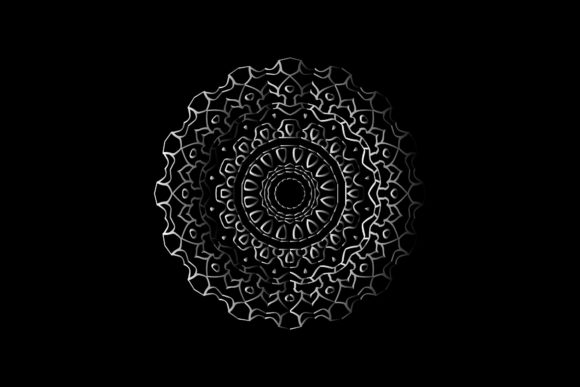
Floral Mandala Asian Bohemian Embroidery Review
I have spent years turning digital files into tangible, stitched treasures. Whether I am prepping a batch of custom sweatshirts for a local boutique or creating personalized baby gifts for friends, the difference between a good project and a great one often comes down to the design itself. Today, I am evaluating Floral Mandala Asian Bohemian, a vector graphic that promises versatility for logos, illustrations, and apparel. But as an experienced designer, I know that what looks perfect on a screen does not always translate well to a sewing machine needle. This review is based on how this specific embroidery file performs in real-world scenarios, from high-end handmade products to quick craft fair items.
The First Impression: Mood and Visual Personality
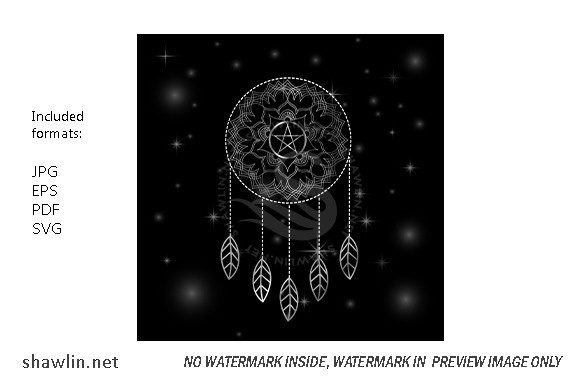
When I first opened the file for Floral Mandala Asian Bohemian, the immediate feeling was one of serene complexity. The mandala structure provides a natural focal point, while the floral elements add a soft, organic touch that feels distinctly bohemian. It is not just a geometric shape; it has a personality. It feels earthy yet elegant, making it ideal for projects that need to convey warmth and creativity. Unlike rigid corporate logos, this design invites the viewer to slow down and appreciate the details.
In terms of layout, the symmetry is balanced, which is crucial for embroidery. A poorly balanced mandala can look lopsided once stitched, but this one holds its form well. The "Asian" influence in the title suggests intricate line work that could be stunning in satin stitch, provided the density is managed correctly. It creates a mood that fits perfectly with handmade aesthetics, suggesting quality and care rather than mass production. For a creative entrepreneur looking to build a brand around artisanal goods, this design asset offers a strong visual foundation.
Real-World Application: From Screen to Stitch
Let me take you through a practical scenario. Imagine you are preparing for a holiday market season. You want to create a limited run of embroidered tote bags featuring a unique, spiritual design that appeals to your target demographic. You decide to use Floral Mandala Asian Bohemian for this purpose. Here is how it translates to the finished product.
The design works exceptionally well on medium-to-large canvas totes. The circular nature of the mandala sits naturally in the center of a bag, drawing the eye without overwhelming the utility of the item. Because the design is described as vector-based and editable, I could adjust the size to fit a 6x6 hoop perfectly. When stitched, the floral petals would likely benefit from a mix of satin stitches for definition and fill stitches for body, giving the tote a luxurious texture. Customers buying these bags would perceive them as premium items, increasing their willingness to pay a higher price point.
Similarly, consider a small business owner creating custom aprons for a kitchenware shop. The bohemian theme pairs beautifully with linen or cotton fabrics often used in apron designs. The intricate details of the mandala add a layer of sophistication that elevates a standard kitchen towel or apron into a statement piece. In this context, the design serves as more than just decoration; it becomes a branding element that communicates the artisan's attention to detail.
For apparel decorators working on sweatshirts, this design offers a versatile option. A large back print using Floral Mandala Asian Bohemian can transform a plain hoodie into a wearable art piece. The flow of the floral elements allows for dynamic placement, perhaps curving slightly over the shoulder blade for a modern look. However, the success here depends heavily on the fabric choice and the stability of the garment during stitching.
Where to Exercise Caution
While this design is powerful, it is not a magic bullet for every situation. As a professional reviewer, I must highlight where Floral Mandala Asian Bohemian might struggle. The primary concern lies in the level of detail inherent in mandala patterns. If you attempt to digitize this for a very small hoop size, such as those used for hat patches or baby onesies, you risk losing critical details. Tiny lines in a mandala can merge together if the stitch count is too low, resulting in a muddy blob rather than a crisp image.
Furthermore, textured or stretchy fabrics require careful handling. Embroidering a dense mandala on a thin, stretchy jersey fabric without proper stabilizer will lead to puckering and distortion. The tension required to hold the fine lines of the floral elements may pull the fabric out of shape. Similarly, dark fabrics present a challenge. Unless you plan to use a heavy underlay or a contrasting thread palette, the design might get lost against a black background. In these cases, testing on scrap fabric is non-negotiable.
Curved surfaces like caps also demand precision. While the round shape of the mandala matches the curve of a cap front, the transition from flat to curved can distort the geometry if the digitizing is not done specifically for that curvature. Always inspect the design on a mockup before committing to a full production run.
Impact on Product Value and Brand Trust
The visual appeal of an embroidery project directly influences customer trust. A clean, well-executed Floral Mandala Asian Bohemian design signals professionalism. It tells the buyer that the creator cares about the final result. When a handmade product features a complex, symmetrical design that stitches clearly, it justifies a higher price point. Conversely, a design that looks pixelated or uneven due to poor digitizing can damage a brand's reputation instantly.
This design also enhances giftability. The bohemian and mandala themes are universally associated with positivity, mindfulness, and beauty. Packaging a finished product—whether it is a pillow cover, a nursery mobile, or a personalized gift—with this motif adds emotional value. It makes the item feel thoughtful and curated. For Etsy sellers and small shop owners, leveraging this aesthetic can help differentiate products in a crowded marketplace.
Practical Designer Notes for Success
Before you upload this file to your machine, there are several steps you must take to ensure a successful outcome. First, test the design on scrap fabric that mimics your final material. Check the thread color contrast carefully; ensure the threads pop against the background fabric. Review the stitch density to prevent the fabric from becoming stiff or the design from looking cluttered.
Confirm your hoop size early. If the design is too large for your available hoops, you may need to split it or resize it, which can affect the integrity of the pattern. Inspect the small details closely. Are the tiny petals distinct? Is the central core clear? If the design includes lettering or tiny accents, verify they remain legible after stitching.
It is also wise to test the design in black and white mockups. This helps you visualize the contrast and composition without the distraction of color. Compare how it looks on both light and dark backgrounds to determine the best colorway for your specific project. Use the proper stabilizer for your fabric type—a cut-away stabilizer is often necessary for heavier garments like sweatshirts, while tear-away might suffice for lightweight linens.
Finally, double-check your licensing. Even though the source describes this as a vector graphic suitable for commercial use, you must confirm the specific terms regarding selling finished items versus reselling the digital file. Ensure you understand whether you can modify the design for client work or if there are restrictions on the number of units produced.
In conclusion, Floral Mandala Asian Bohemian is a robust choice for designers seeking to add depth and character to their embroidery projects. With careful planning and attention to technical details, it can elevate everything from simple tote bags to high-end boutique merchandise. It is a tool that, when used correctly, bridges the gap between digital artistry and tactile craftsmanship.