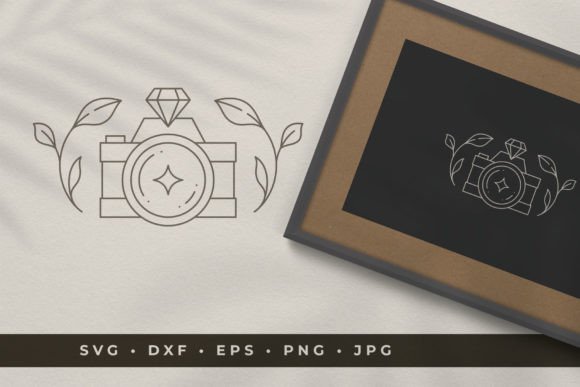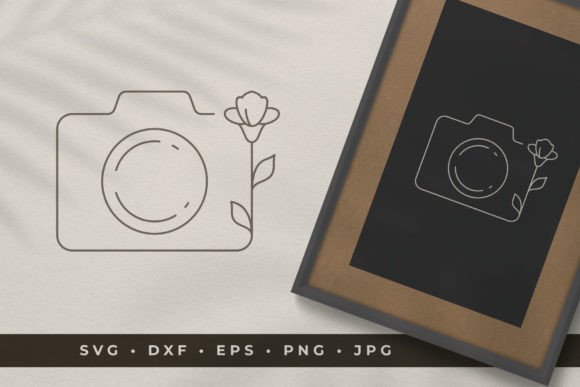
Floral Camera Line Art: A Designer's Review
I have spent years stitching, designing, and reviewing embroidery files for everything from high-end boutique apparel to quick custom gifts. When I first opened the folder for Floral Camera Line Art, my initial reaction wasn't about stitch counts or file formats; it was about the mood. There is a specific nostalgia in this design that feels perfectly timed for today's market. It captures the intersection of vintage charm and modern minimalism, creating a visual personality that is both artistic and approachable.
As an illustrator who understands how digital graphics translate into physical thread, I immediately saw the potential here. The clean lines suggest a design that relies on negative space and elegant contours rather than heavy fill stitches. This makes Floral Camera Line Art a compelling choice for designers looking to create something sophisticated without overwhelming the fabric with dense stitching. It fits naturally into the category of Illustrations and Graphics that bridge the gap between paper crafts and textile art.
From Digital Download to Finished Product
Let me take you through a real scenario where I tested this concept. I had a client request a custom embroidered tote bag for a local photography workshop. They wanted something unique that honored the craft of taking photos but avoided the cliché of a standard camera icon. I pulled up Floral Camera Line Art as a reference point. The idea was to merge the mechanical precision of a camera lens with the organic flow of floral line work.
In a mockup, the design looked crisp and professional. However, moving from screen to stabilizer requires a shift in thinking. When I stitched this out on a cotton canvas tote, the line art quality held up beautifully. Because the design relies on outlines, it avoids the "mushy" look that can happen when too much satin stitch is applied to curved areas. The result was a finished product that felt handmade yet polished, exactly what a boutique customer expects to see on their tag or packaging.
This kind of design is particularly effective for tote bag designs because the linear nature of the artwork scales well. Whether you are embroidering a small logo on the front pocket or a large statement piece across the body of the bag, the lines remain distinct. It transforms a simple utility item into a conversation starter, adding value to the handmade product without requiring hours of complex digitizing.
Where This Design Shines in Real Projects
The versatility of Floral Camera Line Art extends far beyond just bags. As someone who frequently creates items for Etsy sellers and small shop owners, I see immediate applications in several key categories. For sweatshirt embroidery, this design offers a perfect balance. It isn't so busy that it competes with the texture of the fleece, nor is it so sparse that it disappears against the fabric weave.
I also envision this working exceptionally well for baby embroidery. Parents often look for gender-neutral, soft, and meaningful designs. A camera motif suggests memories and moments, while the floral elements add a touch of tenderness. When stitched onto a onesie or a nursery blanket, the delicate lines create a gentle aesthetic that appeals to modern parents who want something better than generic clipart.
For those running a craft business or selling commercial embroidery services, this asset is a goldmine. It pairs effortlessly with typography quotes, making it ideal for custom apparel featuring phrases like "Capture the Moment" or "Life in Focus." The design acts as a visual anchor, drawing the eye before the text even registers. In a crowded marketplace, having a cohesive visual theme like this helps build brand consistency and boosts buyer engagement.
Additionally, the inclusion of cut files and printable files mentioned in the product description opens doors for hybrid projects. You can use the digital version to create a printable mockup for your online store, allowing customers to visualize the final embroidery project before they commit to purchasing. Or, you could use the print file to create a stencil for applique work, adding another layer of depth to your finished product.
Practical Considerations and Potential Pitfalls
While the aesthetic appeal is undeniable, a professional designer must always consider the technical realities of machine embroidery. Floral Camera Line Art is not a one-size-fits-all solution, and there are specific scenarios where caution is required.
First, consider the hoop size. If you attempt to stitch this design on a very small surface, such as a cap brim or a tiny baby bib, the fine lines might get lost or distort due to fabric tension. Small hoop sizes demand simpler geometries, and intricate line work can sometimes collapse if the stabilizer isn't perfectly matched to the fabric weight.
Fabric texture is another critical factor. On highly textured fabrics like chunky wools or terry cloth towels, the definition of the line art may be compromised. The threads need a relatively smooth surface to lay flat and show off their true color. Similarly, stretchy fabrics require careful stabilization; otherwise, the delicate curves of the camera and flowers may pucker during the sewing process.
Dark fabrics present a unique challenge. While this design works well on light backgrounds, stitching white or light-colored lines on dark material requires a higher thread count to ensure opacity. If the stitch density is too low, the background fabric will show through, ruining the clean look of the line art. Conversely, if the density is too high, you risk creating a stiff, board-like feel on garments like kitchen towels or aprons.
Another area to watch is the embroidered patch application. If you plan to make this into a detachable patch, the edges need to be defined clearly. Designs with too many thin, floating lines can be difficult to trim cleanly without fraying over time. For long-term durability, especially on items that will undergo frequent washing, ensuring the design has enough structural integrity is paramount.
Designer Notes for Success
Before you rush to start your next project with Floral Camera Line Art, I strongly advise taking a few practical steps to ensure success. Always test the design on scrap fabric first. This allows you to gauge how the thread colors interact with your specific material and whether the stitch density needs adjustment.
Review the digital embroidery file carefully. Check the small details to ensure that corners and intersections are properly anchored. If the file includes both satin and fill stitches, verify that the transition points are smooth. Using the proper stabilizer is non-negotiable; for line art, a tear-away or cut-away stabilizer that matches the drape of your fabric is essential to prevent distortion.
It is also wise to inspect the design in black and white mockups. Sometimes, color can hide structural flaws that become obvious when viewed in grayscale. Compare how the design looks on both light and dark fabric backgrounds to ensure it maintains its visual impact. Finally, confirm the licensing terms explicitly. If you intend to sell small shop products or offer personalized gifts commercially, understanding whether you have the right to sell finished items made from this embroidery file is crucial to avoiding legal issues.
In conclusion, Floral Camera Line Art is a thoughtful addition to any designer's library. It offers a blend of creativity and practicality that resonates with today's consumers. By approaching it with a clear understanding of its strengths and limitations, you can create stunning embroidery projects that elevate your brand and delight your customers. Whether you are crafting a holiday gift or building a catalog of design assets for your craft business, this piece provides a solid foundation for professional results.